June 6, 2026
Why Training, Refresher Courses and Mentoring Are Vital for Australian Emergency Services
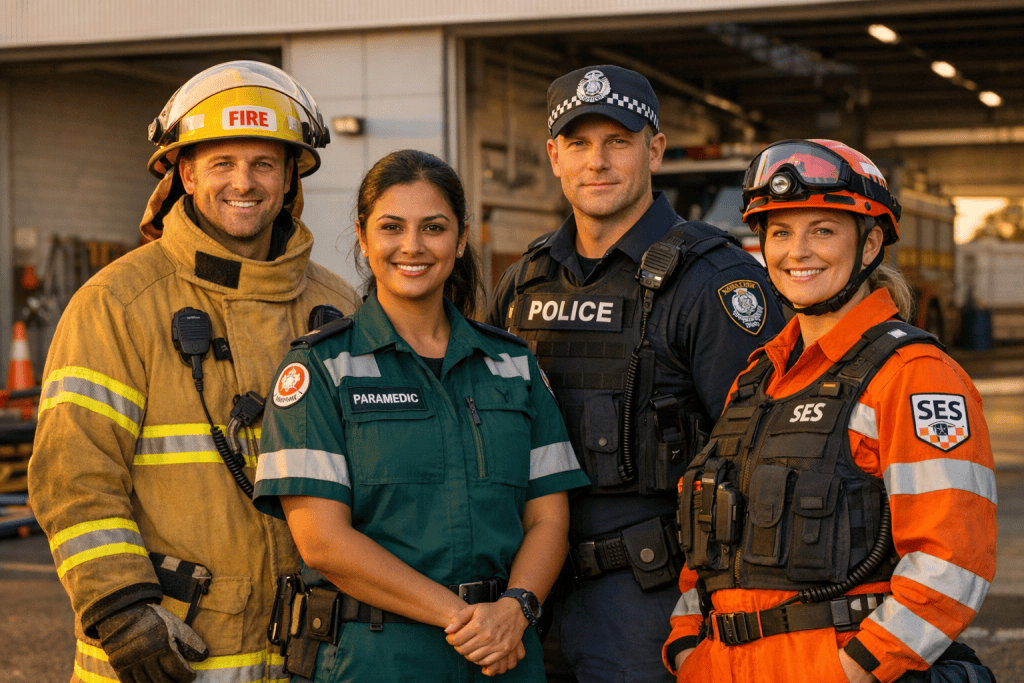
Why Continuous Training and Mentoring Matter in Australian Emergency Services
How initial qualifications, regular refresher training, practical experience and effective mentoring keep communities safe and responders prepared
The Foundation: Initial Qualifications and Accredited Training
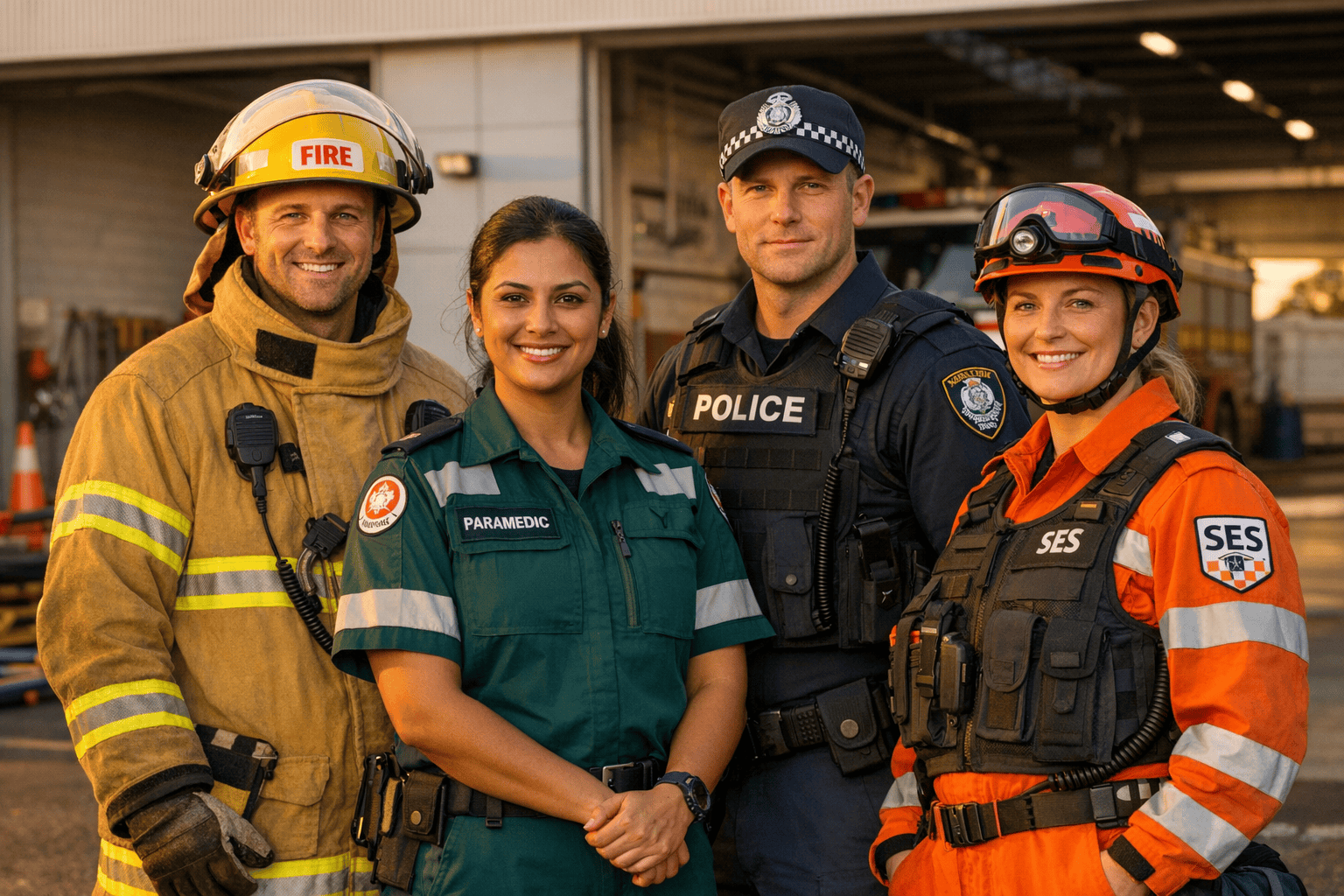
High-performing emergency services start with rigorous, accredited initial training. In Australia, the baseline competence for frontline roles — whether paramedic, firefighter, police constable or State Emergency Service volunteer — is a product of well-designed curricula, endorsed competency units and assessment regimes that ensure consistent capability and safety.
Why accreditation matters
- Accredited qualifications embed technical knowledge, legal frameworks and common operating procedures required for safe practice.
- Nationally recognised training packages reduce variability between jurisdictions and support portability of skills across agencies and regions.
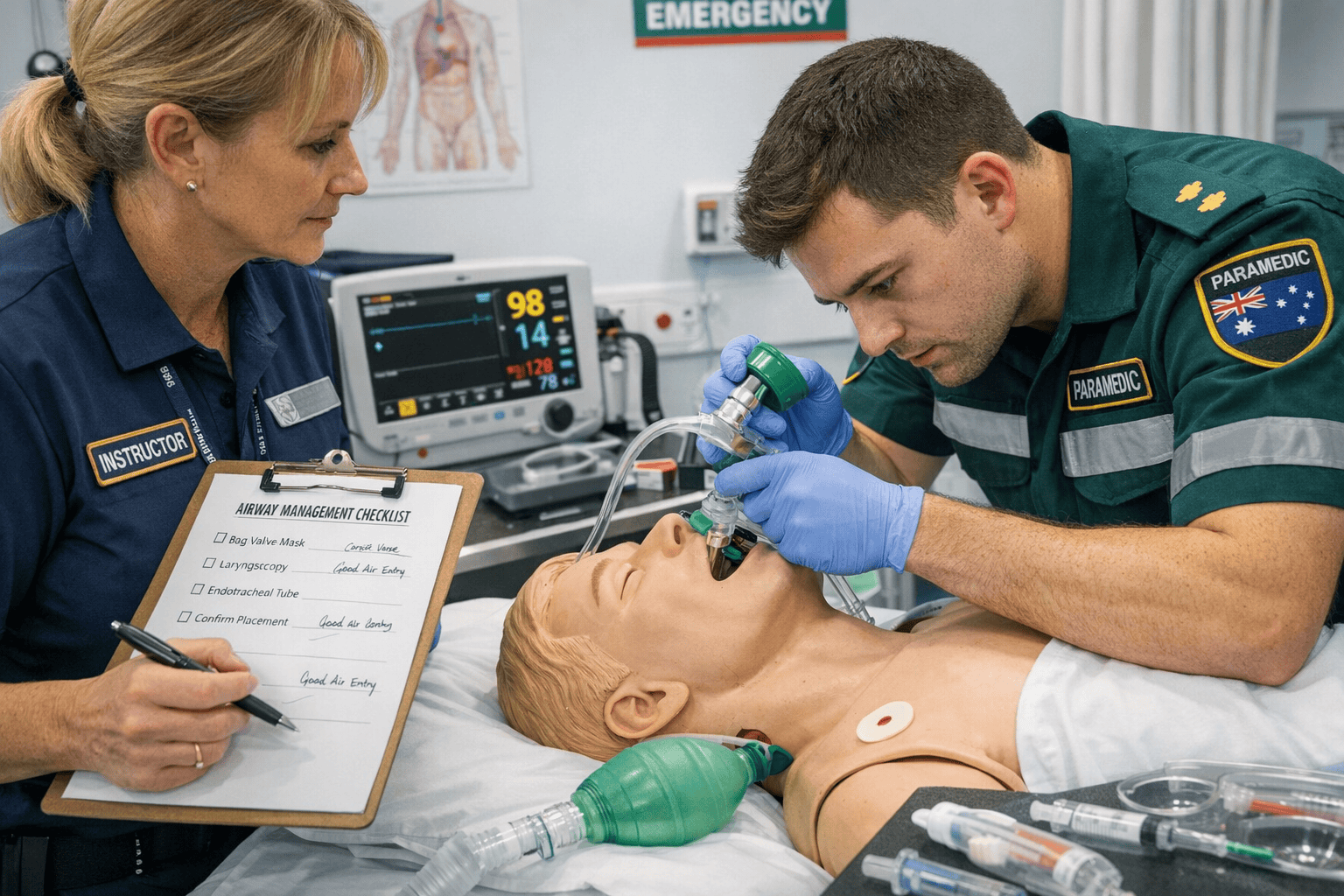
- Formal programs often combine theoretical learning with scenario-based assessments that test decision-making under pressure, not just rote knowledge.
What employers should look for
Recruiters and hiring managers must verify credentials, confirm that awards map to job requirements and assess situational judgement during selection. Structured recruitment assessments — workplace simulations, panel interviews with scenario prompts and observed practical tasks — help ensure candidates' qualifications align with specific operational risks.
Key takeaway
Initial accredited training creates a consistent, measurable baseline. Without it, agencies risk variability in capability that undermines safety and public confidence.
Why Refresher Training Is Not Optional
Skills decay naturally. Even experienced responders can lose proficiency in rarely used but critical techniques. Refresher training restores muscle memory, introduces procedural updates, and ensures compliance with changing legislation, guidelines and equipment.
How refresher programs prevent errors
Regular, mandatory refreshers reduce preventable errors by reinforcing situational awareness, team coordination and established procedures. They also provide structured moments to practise high-stress responses so that decision-making becomes more reliable when it matters.
Design principles for effective refreshers
- Use a mixed cadence: short, frequent micro-sessions for technical skills (e.g., airway management, radio procedures) and periodic, intensive full-scenario simulations for incident management.
- Tailor refreshers to local hazards and recorded performance gaps identified through audits and incident reviews.
- Integrate technology where appropriate: blended e-learning for theory and mobile apps for spaced repetition of key facts.
"Refresher training transforms infrequent competence into dependable performance — especially in high-stakes, low-frequency events."
When agencies schedule refreshers based on evidence — incident trends, near-miss reports and audit data — they make the best use of limited training budgets and focus on the highest-impact skills.
The Role of Hands-on Experience and Deliberate Practice
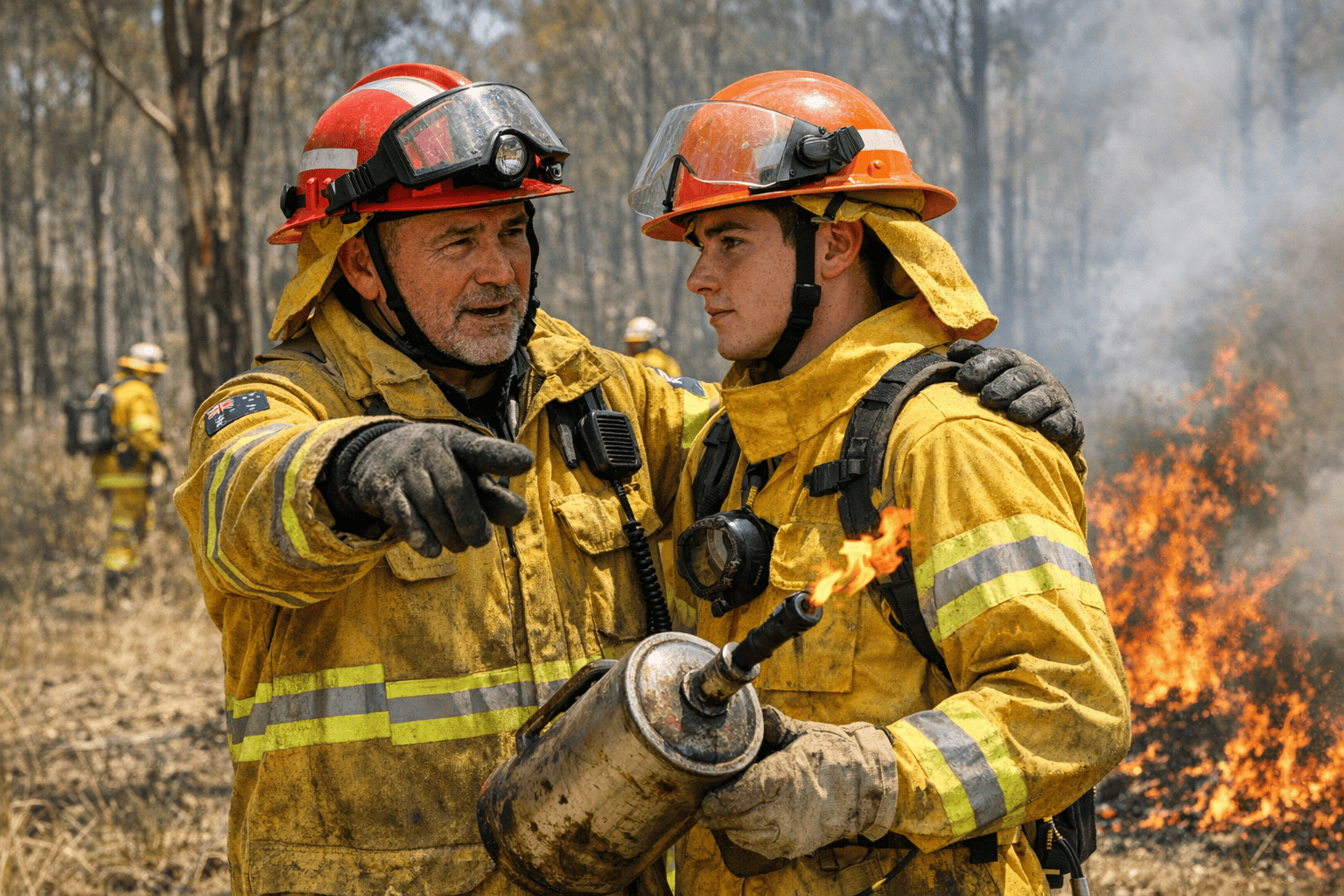
Classroom learning is necessary but not sufficient. Real-world deployments expose responders to variability that can't be fully reproduced in simulations: environmental extremes, unpredictable human behaviour and logistical constraints. Experience builds practical judgement and pattern recognition.
Deliberate practice — what it looks like
Deliberate practice means focused repetition with immediate feedback. For emergency services this includes:
- Task-focused drills with measurable success criteria (e.g., timed extraction, correct application of haemorrhage control).
- Frequent short cycles of practice to maintain muscle memory for technical tasks.
- Structured critique and coaching to correct subtle errors before they become habits.
Organisational strategies to increase real-world exposure
Rotational deployments, cross-agency secondments and multi-jurisdiction exercises broaden experience and reduce silos. Recording exposure — the number and types of incidents attended — helps managers identify who needs targeted practice or mentoring to fill gaps.
Key takeaway
Pairing deliberate practice with diverse real-world exposure accelerates competence and converts theoretical knowledge into reliable performance during incidents.
Mentoring: Turning Experience into Transferable Knowledge
Mentoring converts tacit knowledge — the judgement calls, heuristics and soft skills developed through years of service — into teachable behaviours. Formal mentoring programs make that transfer intentional and measurable.
What an effective mentoring program includes
- Formal pairing between experienced staff and newcomers with clear objectives and competency milestones.
- Protected time for paired shifts, guided observation and structured debriefs.
- Training for mentors in adult learning, feedback techniques and cultural safety to support diverse teams.
Benefits beyond skills
Mentoring boosts retention, wellbeing and resilience. A supportive mentor reduces the isolation that can accompany high-stress roles and provides a trusted sounding board for ethical decisions, professional growth and coping strategies.
"Mentoring accelerates learning curves and preserves organisational memory — it's how teams stay effective as personnel cycle through roles and retire."
Measuring Training Effectiveness and Continuous Improvement
Without evaluation, training is guesswork. A robust evaluation approach combines quantitative measures with qualitative insight to close the loop on continuous improvement.
Metrics that matter
- Skill assessments and observed competency checks
- Operational KPIs: response times, patient survival, containment times and injury reductions
- After-action reviews, participant feedback and peer observation notes
A practical improvement loop
- Assess: use audits, debriefs and data to identify gaps.
- Plan: design targeted refreshers and mentoring objectives.
- Deliver: implement blended learning and scenario-based practice.
- Evaluate: measure outcomes and iterate.
This cycle ensures training remains responsive to new technologies, shifting threats (bushfires, floods, extreme weather) and evolving community expectations in Australia.
Practical Recommendations for Australian Agencies and Responders
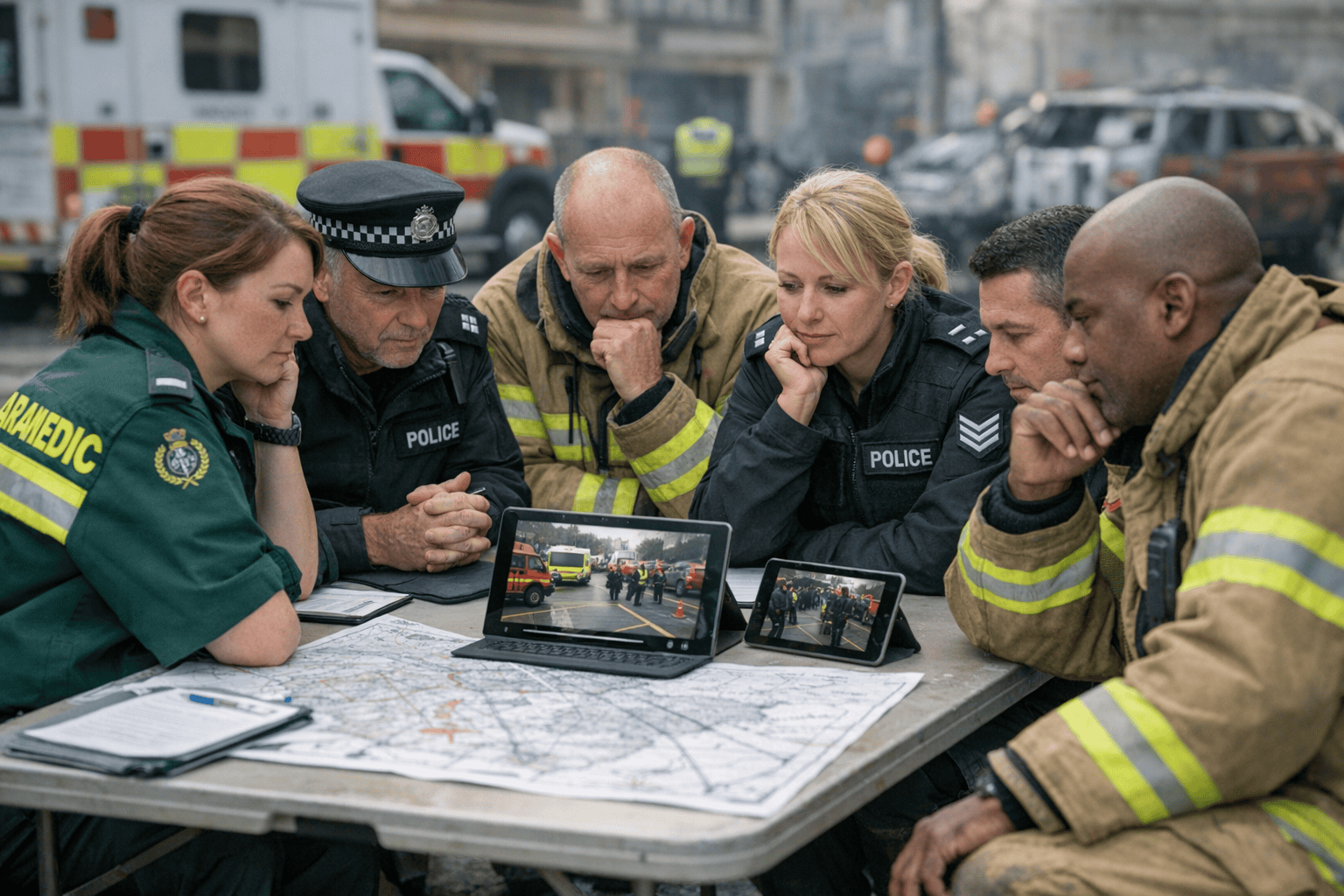
Translating the principles above into operational reality requires clear policy, investment and pragmatic design.
A checklist agencies can adopt
- Mandate nationally recognised initial qualifications and documented renewal intervals for key skills.
- Deploy blended learning: e-modules for theory, scheduled hands-on practice and simulation for applied skills.
- Create structured mentoring programs with trained mentors, defined competencies and protected time.
- Schedule scenario-based refreshers keyed to local hazards and measure them against operational outcomes.
- Foster a learning culture where near-miss reporting and constructive debriefs feed back into training priorities.
Tips for individual responders
- Keep a personal log of incidents and training — document what you did, what worked and what you’d change.
- Seek mentors actively and volunteer for cross-agency exercises to broaden your exposure.
- Prioritise scheduled refreshers and use micro-practice sessions to maintain critical technical skills between formal courses.
Key takeaway
Combining accredited training, deliberate practice, evidence-driven refreshers and structured mentoring creates resilient, adaptable teams able to meet Australia’s unique operational challenges.
Strengthen Your Team’s Readiness Today
Start by auditing current qualifications and incident exposure across your workforce. Use that data to prioritise targeted refreshers, design a mentoring framework and schedule simulation exercises that reflect your region’s most likely hazards.
Practical next steps
Audit, plan, deliver — then evaluate. If you lead a unit, protect time for paired shifts and debriefs this quarter. If you’re a responder, log your experiences and ask your supervisor about mentoring opportunities.
This article outlines best-practice approaches that align with nationally recognised training principles and contemporary adult-learning evidence. Organisations should combine these strategies with local policy, industrial agreements and clinical governance frameworks to ensure safe, effective implementation.